Monday, October 10, 2011

திவ்யப்பிரபந்த பாசுரப்படி இராமாயணம்

திவ்யப்பிரபந்த பாசுரப்படி இராமாயணம் 

___________________

Pasurappadi Ramayanam


Pasurappadi Ramayanam
[Ramayanam according to Pasuram]
By Periyavachan Pillai
Translated by P. R. Ramachander *
[The outpourings in the Tamil poetic form of the ultimate devotion of the 12 Azhwars (Vaishnavite Saints) is known as Pasuram. They all deal with various experiences of Azhwars on the Supreme Being Sriman Narayana who possesses infinite attributes. Periyavachan pillai has composed a Ramayanam, using words from the different Pasurams. Except for a few words joining phrases, all the words in this treatise are from Pasurams. It is believed that reciting of this Ramayana gives the devotee, the effect of reading Ramayana in full as well as reading all Pasurams. This work is written by one of the greatest Tamil scholars that Vaishnavism has ever produced. The author is the only one who has written the commentary on each and every verse of the 4000 verses of Nalayira Divya Prabhandam. Besides this he has also written commentary on the Gadya Thrayam of Ramanujacharya.]

BALA KANDAM

Thiru madanthai, man madanthai yiru paalum thigazha,
Nalamandha millathor naattil,
Andhamil perinbathu adiyarodu,
Ezhulagum thanikkol chella veetrirukkum,
Ayarvarum amarargal adhipadhiyaana,
Aniyaar pozzhil choozh aranga nagarappan,
Alai neerkadalul azhundum naavaai pol,
Aavaaraar thunai yendru thulangum,
Nall amarar thuyar theera,
Vallarakkar vaazh ilangai pazh padukka yeNNi,
MaNNulagatthor uyya,
Ayothi yennum aNi nagarathu,
Vengathiron kulathukkor vilakkaay,
Kausalai than kula madhalaiyaai,
Dayarathan than maganay thondri,
GuNam thigazh kondalaay,
Mandhiram kol marai munivan vElvi kakka nadanthu vanthu,
Thanai yedirtha thaadagai than uram keeNdu,
Vallarakkar uyiruNdu kallai peNNakki,
Karrar thiN chilai iruthu,
Maithiliyai maNam puNarnthu,
Yirupathu oru kaal arasu kalai katta,
Mazhuvaali vevvari nar chilai vaangi vendri koNdu,
Avan thavathai mutrum chetru,
Am pon nedu maNi maada Ayothi yeythi,
Ari aNai mEl mannan aavaan nirka,

SECTION OF CHILDHOOD

With Goddess Lakshmi and mother earth on both sides,
In the land of people where virtues are endless
With people with endless great pleasure,
Ruling over the seven worlds in a strict manner,
And being the chief of Devas who never get tired,
And surrounded by crowds of people, The lord of Sri Ranga,
Becoming similar to the boat helping one to cross the deep sea,
Providing great support to all,
For removing the sorrow of devas,
For subduing the Sri Lanka of the Rakshasas,
And for providing salvation to the people of earth,
In the very great city of Ayodhya,
Rama was born as the son of Kausalya,
And the son of the king Dasaratha,
And scion of the clan of the Sun god,
With all great qualities in him,
And he walked with the great sage to protect his Yaga,
Killed the ogress Thadaga who came and opposed him,
And also took the life of many Rakshasas who attacked him,
And made a stone in to a damsel,
And broke the bow given by Lord Shiva,
Then married princess Mythili,
Took the bow of Parasurama, who killed twenty one generation of kings,
And also took off the effect of all austerities done by him,
And reached the town of Ayodhya along with his friends,

AYODHYA KANDAM

Kongaival Kooni chor konda,
Kodiya Kaikeyi varam venda,
Akkadiya chorkkettu,
Malakkiya maa manaththananaay mannavanum maraathozhiya,
�Kula kumaraa, Kaduraiya po�, yendru vidai koduppa,
Irunilathai vendaathu, eendreduttha thayaraiyum irachiyamum aangozhindu,
Maivaaya kalir ozhindu maavaozhindu therozhindu,
Kalan aniyaathe kaamar yezhil vizhal uduthu,
Angangal azhagu maari,
Maanamarum mennokki vaidevi in thunayaa,
Yilangovum vaalum villum kondu pin chellak,
Kalaiyum kariyum parimaavum,
Thiriyum kaanam kadanthu poy,
Bhakthiyudai Guhan kadatha Gangai thannai kadanthu,
Vanam poy pukku kaayodu needu kaniyundu,
Viyam kaana maratthin neezhal,
Kallanai mel kan thuyindru,
Chithira koodathiruppa, dayarathan taan,
�nin magan mel pazhivilaithittu,
Yennaiyum neel vaanil pokka,
Yen pettraay Kaikesi,
Naanum vaanagame miga virumbhi pogindren,
Yendru vaanera,
Thenamarum pozhil chaaral chithira koodathu.
aanai puravi therodu kaalaal,
Ani konda senai Sumandhiran,
Vasittarudan Bharatha Nambi paniyath,
Thambikku maravadiyai vaan panayam vaithu,
KuvalayathThunga kariyum pariyum, rachiyamum,
Yengum bhratharkku aruli vidai koduthu,
seruvudaya disai karumam thiruttha poi,
Dandakaaranyam pugundu,

SECTION ON AYODHYA

When it was decided that he (Rama) would become a king,
Hearing the servant maid Kooni's words,
Kaikeyi asked for very cruel boons,
And hearing those harsh words,
With a very depressed and confused mind the king (Dasaratha) said,
Oh son of the clan, you go and live in the forest,
And bid him farewell,
And not desiring for the land,
Leaving the mother who gave him birth, and leaving the country,
Leaving elephants, horses and chariots,
Not wearing ornaments and wearing the hides of trees,
With his body parts loosing their beauty,
With the company of very tender hearted Vaidehi,
Followed by the young prince (Lakshmana) armed with sword and bow,
Crossing the forest populated by,
Deer, elephants and tigers,
Crossing the Ganges with the help of Guha the great devotee,
Entering the forest and eating ripe and raw fruits found there,
Sleeping on stone benches in the shades of trees,
And when he was living in Chitra koota,
Dasaradha told, What did you get Kaikesi,
By putting blame on your son,
And I am going to the heaven happily,
And ascended to the heaven,
And then Bharatha along with,
Sage Vasishta, Sumanthra,
Followed by elephants, horses, foot soldiers,
Reached Chitra koota and saluted Lord Rama,
Rama gave his brother Bharatha his wooden sandals,
And requested him to rule over the country,
Along with elephants, horses and army and bid him farewell,
And entered the forest of Dandakaranya (Punishing forest),
For doing the duty that he was born to do,

ARANYA KANDAM

Marai munivarkku,
Anjenmin! yendru arul koduthu,
Vengan viral viraadhanuga virkunithu,
Vandamizh mamuni kodutha vari vil vaangi,
Pularthezhunda kaamathaal sethaikku neraavan yenra,
Ponniram konda
Sudu sinatha soorpanaki,
Kodi mookkum kaadirandum,
Kooraarndha vaalal eeraa viduthu,
Karanodu thudanan thann uyirai vanga,
Aval kadari thalayil angai vaithu,
Malai ilangayodi puga,
Kodumayil kadu visai arakkan,
Alai mali ver kannaalai agalvippaan,
Oru uruvaaya maanai amaithu,
Chengal podi koorai chitreyitru,
Mutral moongil moonruthandatthanaai vanjithu,
Yilaikkurambil thani yiruppil,
Kanivay thiruvinai pirithu,
Neel kadal choozh ilangayil,
Arakkar kudikku nanjaaga kodu poy,
Vambulan gadigaavil chirayay vaikka,
Ayothiyar kon maaya maan maayachetru,
Alai maliver kannalai agandru thalarveydhi,
Jadayuvai vaikundathetri,
Kangulum pagalam kan thuyil indri,
Kanagam padi ulaavi,
Kanaiy ondrinal kavandanai madithu,
Savari thandha kani yuvandhu,

SECTION ON FOREST

After assuring the Vedic sages, do not fear,
And killing Kabanda who had glowing eyes by arrows
And receiving the blessed bow from the great Tamil saint(Agasthya),
And cutting off with a sharp sword,
The thin nose and the two ears,
Of the very angry Soorpanaga,
Who due to her great passion, claimed that she is equal to Sita,
And after taking the life of Kara and Dhooshana,
she keeping her hand on her head,
Ran to the mountainous Sri Lanka,
And there the cruel Rakshasa without pity,
Decided that he would take away Sita Devi,
And created a magical deer,
Made her cross the line made of brick powder,
And deceiving her like the grown up Bamboo splitting in to three,
And when she was alone in the hut made of leaf,
Kidnapped the Goddess Lakshmi from there,
Took her to Sri Lanka surrounded by sea on all sides,
Not realizing that she is really a poison to the Rakshasas,
And kept her imprisoned in the garden there,
Meanwhile, the king of Ayodhya seeing that magical deer has disappeared,
And becoming extremely sorry to realize that Sita has been abducted,
And after sending Jatayu to Vaikunta by doing his funeral rites,
Without sleeping either in the day or night,
Wandering all over the forest again and again,
And killing Kabanda by just one arrow,
And eating the fruit given by Sabari,

KISHKINTA KANDAM

Vana maruvu kavi arasan thannodu kaadal kondu,
Mara maram ezh eithu
Uruthezhu vaali maarbil,
Oru kanai uruvavoti,
Karuthudai thambikku,
Inba kadir mudi arasalithu,
Vanara kon udan yirundu vaideki thanai theda,
Vidutha disai karumam thiruthu,
Thiral vilangu maaruthiyum
Maayon dhoothuraithal cheppa,

After making friendship with the monkey King (Sugreeva) hiding in the forest,
After piercing the seven Mara mara trees,
After sending an arrow deep inside,
The chest of the of the strong Vali,
After giving the kingship to the younger brother,
And after reminding the need for search of Sita,
To the king of monkeys and correcting him,
And sending the very able Hanuman,
As an emissary to search her,

SUNDARA KANDAM

Seeraarum thiral anuman maakkadalai kadanderi,
Mummadil neel ilangai pukku gadikaavil,
Vaaraaru mulai madaaval Vaidevi thanai kandu,
innadiyen vinnappam kettu arulaay,
Ayothi thannil orida vagayil,
Yelliyam podhini thiruthal,
Malligai maamaalai kondangaarthathum,
Kalakkiya maamanathanaalaai kaikesi varam venda,
Malakkiya ma manathinanaay Mannavanum maraathozhiya,
Kula kumaraa, kadu uraaya po, yendru vidai koduppa,
Ilakkumanan thannodu angu egiyathum,
Gangai thannil
Kooraninda vel valavan guhanodu,
Cheeraninda thozhamai kondathuvum,
Chithira kooda thiruppa, baratha nambi paninthathuvum,
Chiru kakkai mulai theenda moovulagum thirinthodi,
Vithagane, Raamaavo, ninnabhayam yenna,
Athirame athan kannai aruthathuvum,
Ponnotha maan ondru pugundithu vilayada.
Ninnan pin vazhi nindruchilai pidithembiran yega,
Pinneyangu ilakkumanan pirindhathuvum,
Ayothiyar kon uraaithadayalaam,
Yeedhavan kai modhirame, yendru,
Adayalam therindu uraikka,
Malar kuzhalal seethayum,
Villiruthaan modhiram kandu,
Anumaan adayalam okkum, yendru,
Uchimel vaithuthugakka,
Thiral vilangu maruthiyum,
Ilangaikon maakkadikavaai yiruthu,
Kadal makkalum chuthamum kondru,
Kadi ilangai malanga yerithu,
Arakkara kon chinamazhithu meendu, anbinal,
Ayothiyar kon thalir purayum adiyinai paniya,

PRETTY SECTION

The great and efficient Hanuman crossed the great sea,
And went to the garden within three walls of Sri Lanka,
Saw Vaidehi the pretty damsel with great bosom,
And told her to hear what he has to say,
�In one place in the city of Ayodhya one day,
The very disturbed Kaikeyi who was decorated by jasmine garland,
Asked for a boon and the king who became very sad and told,
Oh son of the clan, go to the forest and bid him farewell,
And he along with Lakshmana went there,
Became great friends with the very valorous Guha,
And he sent back Bharatha who came to Chitra koota to salute him,
And at that time a crow touched your bosom and ran all over the three worlds,
And shouted, Oh great one, Oh Rama, I seek your protection,
And he pierced one of its eyes with that arrow,
And later a golden deer came to that area and played there,
And as per your dear request Rama went chasing him,
And later Lord Lakshmana also parted from you,
And this finger-ring is the identification given by king Rama,
And then gave her the ring of identification,
And Sita who decorates her hair with flowers,
Seeing the ring of the one who broke the bow said,
Hanuman this identification is right,
And kept it on her head and cried,
And the very efficient Hanuman,
Destroyed the garden of the king of the Lanka,
Killed his sons and other relations,
And burnt the entire island of Lanka,
Destroyed the anger of the king of Rakshasas,
And later fell at the tender feet of the king of Ayodhya.

YUDHA KANDAM

Kana yengum kurangum musuvum,
Padaya kodiyon ilangai pugal utru,
Alayaar kadar karai veethrirundu,
Chelva vibheedanarkku nallaanaai,
Viri neer ilangai aruli,
Charan pukka kurai kadalai adalambaal maruga yeydhu,
Kollai vilangu pani cheyya,
Malayaalanai katti maru karai yeri,
Ilangai podi podiyaaga,
Chilai mali chencharangal chelauyuthu,
Kumbhanodu nikumbanum pada,
Indira chithu azhiya kumba karnan pada,
Arakkar aavi maala Arakkar,
Koothar pola kuzha mani dhooramada,
Ilangai mannan mudiyorupathum,
Tholirupathum poy udhira,
Chilai valaithu chara mazhai pozhindu,
Karam thunindu vetri konda cherukkalathu,
Kadi kkamala nan muganum kan moondrathaanum,
Enmar, pathinoruvar, yeeraruvar, oriruvar,
Matrumulla vaanavar malar mazhai pozhindu,
Mani mudi pani thara adiyinai vananga,
Kola thiru maa magalodu,
Chelva veedanan vanara konudan,
Ilagu mani nedum ther yeri,
Cheeranintha guhanodu koodi.
Anganedu madir pudai choozh ayothi yeythi,
Nanneraadi,
Pongilavaadai arayil charthi,
Thiru cheyya mudiyum aarmum kuzhayum,
Mudhala medhagu pala kalan aninthu,
Chootu nan malaigalanindhu,
Barathanum thambi sathurukkananum,
Ilakkumananum iravum nan pagalum aat cheyya,
Vadivini illa sangu thangu mun kai nangai,
Malar kuzhalal seethayum thanum,
Koppudaya seeriya singaasanathil irundu ezhulagam,
Thani kkol chella vaazhvithu arulinar.

SECTION ON WARFRONT

The forest bears and monkeys reached as an army,
To the Sri Lanka ruled by a tyrant,
And sat on the shores of the sea,
And the good Vibheeshana was promised the kingship of Lanka,
And the sea did not bother to help them,
And the arrow meant to punish the sea killed the fighting animals,
And by the dam that was built till the other shore by use of mountain like stones,
They reached the other shore and pulverized Sri Lanka,
By sending very sharp and powerful arrows,
Killed Kumbha and Nikumbha,
Killed Indrajit and Kumbhakarna,
Killed all rakshasas,
Who danced like mad with sorrow,
And then the ten heads of Ravana,
The twenty shoulders of Ravana fell,
By the rain of arrows from the bent bow,
And in the very victorious battle field,
Lord Brahma, Lord Shiva,
The Ashta dik balakas, Ekadasa rudhras,
Dwadasa Adithyas, and others,
Caused rain of flowers,
Saluted him with bent heads,
And along with the great lady,
With dear Vibheeshana, with king of monkeys,
And with Lakshmana got in to the great chariot,
Along with the very good Guha,
Reached the walled city of Ayodhya,
Took ceremonial bath,
Wore all ornaments in the waist,
Wore the crown, garland and ear globes,
Wore proper dresses,
Wore several flower garlands,
And was guarded day and night by,
Bharatha, Shatrugna and Lakshmana,
And along with the extremely pretty Sita,
Who decorated her hair with flowers,
Sat in the great throne decorated with lion heads,
And ruled all the seven worlds.

Periyavachan thiruvadigale Saranam

I surrender to the feet of Periya Vachan Pillai

______________________________________________

* My heart felt gratitude to Mrs. Subashini, a young house wife in USA, who painstakingly checked and corrected (almost rewritten) my transliteration and suggested many an error in my translation. Without her contribution, this indeed would have been a poor effort. May Sriman Narayana bless her. My grateful thanks are also due to Sri K. Sridharan, a great scholar and author of many books, who went through the draft of the book and suggested many valuable changes. May Lord Rama bless Sri. K. Sridharan.

Monday, October 3, 2011

Thanks to SRIRANGAPANKAJAM-
______________________________

ஸ்ரீகிருஷ்ண அஷ்டோத்திரம் - தமிழில் !

கோயில்களில்... அர்ச்சனைத் தட்டை பக்தர்களிடம் இருந்து வாங்கிக் கொண்டு, அங்கேயே சங்கல்பமும் செய்து, கருவறையின் உள் சென்று, துளஸி அல்லது பூக்களால் ஓர் அர்ச்சகர் அஷ்டோத்திர அர்ச்சனை செய்வது என்பது பழகிய நடைமுறை. ஆனால், நகரங்களில் உள்ள பெரும்பாலான பெரிய கோவில்களில் கூட்ட நெரிசல்... கிராமத்துக் கோயில்கள் பலவற்றிலோ, முறையான பயிற்சி பெறாத அர்ச்சகர்கள். இந்த நிலையில், அஷ்டோத்திர அர்ச்சனை என்று சங்கல்பம் செய்துகொண்டு, நூற்றியெட்டுக்குப் பதிலாக பதினெட்டு அல்லது இருபத்தியெட்டு திருநாமாக்களால் அர்ச்சனை செய்துவிட்டு, ஏனோதானோவென்று நைவேத்தியமும் செய்துவிட்டு, பிரசாதத் தட்டை கொடுத்துவிட்டுச் சென்றுவிடுவதை அன்றாடம் சந்நிதிகளில் காண்கிறோம். நம் இந்து மதத்தில்தான் கேள்விகள் கேட்பது பரம்பரை பிரசித்தமாயிற்றே. சிலர் முனகிக் கொண்டே, பெருமானின் வழிபாட்டில் மன ஈடுபாட்டைக் காட்டாமல், நடைபெறும் தவறுகளிலேயே மனத்தைச் செலுத்தி, ஏனடா கோவிலுக்கு வந்தோம் என்ற மன நிலையில் வெளியேறுகின்றனர். இதுவும் அன்றாடக் காட்சிதான்!
சரி... கோவில் என்று வந்தாயிற்று! வழிபாடு என்பதும் நம் மனத்தைப் பொறுத்தது. இது கீதை நாயகன் சொன்ன விஷயம்தான்! எனவே இறை வழிபாட்டைத் தவிர உள்ள கோயிலின் மற்ற நடவடிக்கைகளில் நம் மனத்தை (கருவறையில் இருக்கும் அந்தப் போது மட்டும்) செலுத்தாமல், இந்த அஷ்டோத்திரத்தை கையில் வைத்துக் கொண்டு வரிசையில் செல்லும் போதே அர்ச்சித்துக் கொண்டு செல்லுங்கள். உள்ளே அர்ச்சகர் உங்கள் அஷ்டோத்திர அர்ச்சனைக்கு ஏற்ப பகவானின் பாதத்தில் துளஸி/ பூக்களை சமர்ப்பிப்பதாக மனத்தில் எண்ணிக் கொள்ளுங்கள். உங்கள் வழிபாடு பூர்த்தியாகும்.
செம்மொழித் தமிழும் பகவானுக்கு பிரியமான மொழிதான். எனவே சம்ஸ்க்ருத வார்த்தை பழக்கம் இல்லாதவர்கள், தமிழில் அதன் அர்த்தத்தைச் சொல்லி, போற்றி போற்றி என்று முடித்து அர்ச்சிக்கலாம்.

அன்று இவ்வுலகம் அளந்தாய் அடி போற்றி,
சென்று அங்கு தென் இலங்கை செற்றாய் திறல் போற்றி,
பொன்னச் சகடம் உதைத்தாய் புகழ் போற்றி
கன்று குனிலாய் எறிந்தாய் கழல் போற்றி
குன்று குடையாய் எடுத்தாய் குணம் போற்றி
வென்று பகை கெடுக்கும் நின் கையில் வேல் போற்றி

- என்று நம் செம்மொழித் தமிழில் போற்றி வழிபாட்டுக்கு ஆறாம் நூற்றாண்டிலேயே வழி ஏற்படுத்தித் தந்திருக்கிறார் ஸ்ரீ ஆண்டாள். தெய்வத் தமிழின் கம்பீரத்தை உணர்த்திய ஆண்டாளம்மை காட்டிய வழியில் இந்த கிருஷ்ண அஷ்டோத்திரத்தை (நூற்றியெட்டு போற்றி வழிபாட்டை) சொல்லி வழிபடுவோம். பெரும்பாலான பெருமாள் கோயில்களிலும் கிருஷ்ண அஷ்டோத்திரமே அர்ச்சகர்களால் சொல்லப்படுகிறது.
எனவே, இந்த நாமாக்களை அச்சு எடுத்து (பிரிண்ட் எடுத்து) கையில் வைத்துக் கொள்ளுங்கள். மிகவும் உபயோகமாக இருக்கும். சமஸ்கிருத நாமாக்களை இயன்ற அளவுக்கு பதம் பிரித்து, எளிமையாகச் சொல்ல வரும் வகையில் பிரித்துத் தந்திருக்கிறேன். ஸ்ரீ கிருஷ்ண அனுக்கிரஹம் அனைவருக்கும் கிடைக்கட்டும்.
சம்ஸ்கிருத அர்ச்சனைப் பெயராக இருந்தால், ஓம் என்று முதலிலும் நம: என்று பின்னாலும் சேர்க்கவேண்டும். தமிழில் என்றால், ஓம் என்பது பொது. எனவே ஓம் சொல்லி, போற்றி என்பதை பின்னால் சேர்த்துக் கொள்ளலாம்.
ஸ்ரீ கிருஷ்ண அஷ்டோத்ரம்
0. ஓம்........................நமஹ -   ஓம் .................................... போற்றி!
1. க்ருஷ்ணாய - கருமை நிறம் உள்ளவரே
2. கமலநாதாய - ஸ்ரீலட்சுமி நாதரே
3. வாஸுதேவாய - வஸுதேவ புத்திரரே
4. ஸநாதநாய - பிரம்மா உள்ளிட்ட தேவருக்கும் மிகப் பழைமையாகத் திகழ்பவரே
5. வஸுதேவாத்மஜாய - வசுதேவரின் பிரார்த்தனையால் புத்திரராகப் பிறந்தவரே
6. புண்யாய - புண்ணியத்தைச் செய்பவரே
7. லீலாமானுஷ விக்ரஹாய - விளையாட்டாக மானிட சரீரத்தை எடுப்பவரே
8. ஸ்ரீவத்ஸ கௌஸ்துபதராய - ஸ்ரீவத்ஸம் என்னும் மரு, கௌஸ்துபம் என்னும் மணி ஆகியவற்றைத் தரித்திருப்பவரே
9. யசோதாவத்ஸலாய - யசோதையிடம் மிக்க (வாத்சல்யம்) அன்பு கொண்டவரே
10. ஹரயே - அண்டியவரின் பாவங்களை அப்படியே அறுத்து எறிபவரே
11. சதுர்புஜாத்த சக்ராஹிகதா சங்காத்யுத ஆயுதாய - நான்கு கைகளிலும் சக்கரம், கத்தி, தண்டு, சங்கம் என்னும் ஆயுதங்களை தரித்திருப்பவரே
12. தேவகீநந்தனாய - தேவகியின் புத்திரரே
13. ஸ்ரீஸாய - திருமகள் நாயகரே
14. நந்தகோப ப்ரியாத்மஜாய - நந்தகோபருக்கு மிகவும் பிரியமான பிள்ளையே
15. யமுனா வேக ஸம்ஹாரிணே - யமுனையின் வேகத்தைத் தடுத்தவரே
16. பலபத்ர ப்ரிய அநுஜாய - பலராமருக்கு மிகவும் பிரியமான தம்பியானவரே
17. பூதனாஜீவித ஹராய - கொல்லவந்த கொடிய பூதனையின் உயிரைப் போக்கியவரே
18. சகடாசுர பஞ்சனாய - சகடனாக வந்த அசுரனை முறித்து எறிந்தவரே
19. நந்த வ்ரஜஜநா நந்திதே - வ்ரஜபூமியான திருஆய்ப்பாடி மக்களை மகிழ்ச்சிப் படுத்துபவரே
20. சச்சிதானந்த விக்ரஹாய - சச்சிதானந்த மயமான சரீரம் உடையவரே
21. நவநீத விலிப்தாங்காய - புத்தம்புது வெண்ணெயை முழுவதும் பூசிக்கொண்ட உடம்பினைக் கொண்டவரே
22. நவநீத நடாய - வெண்ணெய்க்காக நாட்டியம் ஆடுபவரே
23. அநகாய - தோஷம் சிறிதும் இல்லாதவரே
24. நவநீத நவாஹாராய - புதிதாக எடுக்கப்பட்ட வெண்ணெய்யையே அமுது செய்பவரே
25. முசுகுந்த ப்ரஸாதகாய - முசுகுந்தருக்கு அனுக்கிரஹம் செய்தவரே
26. ஷோடசஸ்த்ரீ ஸஹஸ்ரேசாய - பதினாயிரம் பெண்களுக்குத் தலைவரானவரே
27. த்ரிபங்கீ லலிதா க்ருதயே - வயிற்றில் உள்ள மூன்று மடிப்புகளால் அழகான உருவம் கொண்டவரே
28. சுகவாக் அம்ருதாப்த்த இந்தவே - சுகாசாரியாரின் அமுத வாக்காகிய பாற்கடலுக்கு சந்திரன் போன்றவரே
29. கோவிந்தாய - பசுக்களுக்கு இந்திரன் என உலகத்தால் துதிக்கப்படுபவரே
30. யோகிநாம்பதயே - யோகிகளுக்கு தலைவரானவரே
31. வத்ஸ வாடசராய - கன்றுகளின் கூட்டங்களில் சஞ்சாரம் செய்பவரே
32. அநந்தாய - எவராலும் அறிய முடியாதவரே
33. தேநுகாசுர மர்த்தனாய - தேனுகன் என்ற அசுரனைக் கொன்றவரே
34. த்ருணீக்ருத த்ருணாவர்த்தாய - திருணாவர்த்தன் எனும் அசுரனை புல்லுக்கு இணையாக்கியவரே
35. யமளார்ஜுன பஞ்சனாய - யாமளார்ஜுனர்கள் மருத மரங்களாக நிற்க, அவற்றை முறித்தவரே
36. உத்தாலதால பேத்ரே - உயர்ந்த பனை மரங்களை முறித்தவரே
37. தமால ச்யாமளாக்ருதயே - பச்சிலை மரத்தைப் போன்ற (சியாமள) நீல நிறம் உள்ளவரே
38. கோபகோபி ஈஸ்வராய - கோபர்கள் கோபிகள் இவர்களுக்கு தலைவரானவரே
39. யோகிநே - தத்துவ ஞானத்தால் (யோகத்தால்) அடையப்படுபவரே
40.  கோடிசூர்ய சமப்ரபாய - கோடி சூரியர்களுக்கு இணையான ஒளி பொருந்தியவரே
41. இளாபதயே - பூதேவியாக இளையின் பதியே
42. பரஸ்மை ஜ்யோதிஷே - பரஞ்சோதி ஸ்வரூபமானவரே
43. யாதவேந்த்ராய - யாதவர்களின் தலைவரே
44. யதூத்வஹாய - யாதவர்களின் பாரத்தை வகிப்பவரே
45. வநமாலினே - வைஜயந்தி எனும் வனமாலையினை அணிந்திருப்பவரே
46. பீதவாஸஸே - பீதாம்பரதாரியே
47. பாரிஜாத அபஹாரகாய - பாரிஜாத விருட்சத்தை அபகரித்தவரே
48. கோவர்த்த நாச லோத்தர்த்ரே - கோவர்த்தன மலையை அநாயாசமாக எடுத்தவரே
49. கோபாலாய - பசுக்களைக் காப்பவரே
50. ஸர்வபாலகாய - எல்லோரையும் காத்து ரட்சிக்கும் ரட்சகரே
51.  அஜாய - ஜனனம் எனும் பிறப்பு இல்லாதவரே
52. நிரஞ்ஜனாய - தோஷம் சிறிதும் அற்றவரே
53. காமஜனகாய - மன்மதனுக்கு தந்தையானவரே
54. கஞ்ஜலோசனாய - தாமரை மலரைப் போன்ற கண்களை உடையவரே
55. மதுக்னே - மது என்னும் அசுரனைக் கொன்றவரே
56. மதுரா நாதாய - மதுரையம்பதிக்குத் தலைவரே
57. த்வாரகா நாயகாய - துவாரகாபுரியின் தலைவரானவரே
58. பலிநே - மிகுந்த பலம் பொருந்தியவரே
59. ப்ருந்தாவனாந்த சஞ்சாரிணே - பிருந்தாவனப் பிரதேசத்தில் சஞ்சரிப்பவரே
60. துளஸீ தாமபூஷணாய - துளசி மாலையை ஆபரணமாகப் பூண்டவரே
61. ஸ்யமந்தக மணேர் ஹர்த்ரே - சியமந்தக மணியைக் கொண்டவரே
62. நரநாராயணாத்மகாய - நரநாராயண ஸ்வரூபமாக உள்ளவரே
63. குப்ஜாக்ருஷ்டாம்பரதராய - திரிவக்கிரை எனும் கூனியினால் இழுக்கப்பட்ட வஸ்திரத்தைத் தரித்தவரே
64. மாயினே - மாயையினை உடையவரே
65. பரமபூருஷாய - புருஷ உத்தமரே
66. முஷ்டிகாஸுர சாணூர மல்ல யுத்த விசாரதாய - முஷ்டிகாசுரன், சாணூரன் இவர்களுடன் மல்யுத்தம் செய்வதில் சமர்த்தரே
67. ஸம்சார வைரிணே - சம்சார பந்தம் அற்றுப் போகச் செய்பவரே
68. கம்ஸாரயே - கம்சனுகுப் பகையானவரே
69. முராரயே - முரன் எனும் அசுரனுக்கு எதிரியானவரே
70. நரக அந்தகாய - நரகன் எனும் அசுரனை முடித்தவரே
71. அநாதி ப்ரஹ்மசாரிணே - தொன்றுதொட்டு பிரம்மசாரியாக இருப்பவரே
72. க்ருஷ்ணா வ்யஸநகர்ஸகாய - கிருஷ்ணா என்று அழைத்த திரௌபதியின் துக்கத்தைத் துடைத்தவரே
73. சிசுபால சிரச்சேத்ரே - சிசுபாலன் சிரத்தைத் துண்டித்தவரே
74. துர்யோதன குலாந்தகாய - துரியோதனன் குலத்தை அழித்தவரே
75. விதுர அக்ரூர வரதாய - விதுரர், அக்ரூரர் இவர்களின் ஆசைகளைப் பூர்த்தி செய்தவரே
76. விஷ்வரூப ப்ரதர்சகாய - அர்ஜுனன் முதலானவர்களுக்கு விசுவரூபக் காட்சியை அளித்தவரே
77. ஸத்யவாசே - சத்தியமான வாக்கினை உடையவரே
78. ஸத்ய சங்கல்பாய - சொன்ன சொல் தவறாதவரே
79. ஸத்யபாமாரதாய - சத்யபாமையிடத்தில் விசேஷ அன்பு பூண்டவரே
80. ஜயிதே - எப்போதும் வெற்றியைக் கொண்டவரே
81. ஸுபத்ரா பூர்வஜாய - சுபத்திரைக்கு முன் பிறந்தவரே (அண்ணன் ஆனவரே)
82. ஜிஷ்ணவே - ஜயசீலரே
83. பீஷ்ம முக்தி ப்ரதாயகாய - பீஷ்மருக்கு மோட்சத்தை அளித்தவரே
84. ஜகத்குரவே - அகில உலகங்களுக்கும் குருவானவரே
85. ஜகந்நாதாய - அகில உலகங்களுக்கும் தலைவர் ஆனவரே
86. வேணுநாத விசாரதாய - புல்லாங்குழல் ஊதுவதில் சமர்த்தரானவரே
87. வ்ருஷபாசுர வித்வம்ஸினே - விசுஷபாசுரனைக் கொன்றவரே
88. பாணாசுர பலாந்தகாய - பாணாசுரனின் சேனையை ஒன்றுமில்லாமல் முடித்தவரே
89. யுதிஷ்டிர ப்ரதிஷ்டாத்ரே - தருமபுத்திரரை நிலைக்கச் செய்தவரே
90. பர்ஹிபர்ஹாவதம்ஸகாய - மயில் தோகையினை ஆபரணமாக அணிந்தவரே
91. பார்த்தசாரதயே - அர்ஜுனனுக்கு சாரதியாக இருந்தவரே
92. அவ்யக்தாய - இப்படிப்பட்டவர் என்று எவராலும் அறியமுடியாதவரே
93. கீதாம்ருத மஹோததயே - கீதை எனும் அமுதக் கடலானவரே
94. காளீய பணிமாணிக்யரஞ்சித ஸ்ரீபதாம்புஜாய - காளியன் எனும் பாம்பின் படத்தில் உள்ள மாணிக்கத்தால் சிவந்த பாதக் கமலத்தை உடையவரே
95. தாமோதராய - யசோதை உரலோடு கட்டிய கயிற்றினை வயிற்றில் கொண்டவரே
96. யஜ்ஞபோக்த்ரே - யாகத்தின் பலனைப் பெற்றுக்கொள்பவரே
97. தாநவேந்த்ர விநாசகாய - அசுரர் தலைவனை நாசம் செய்தவரே
98. நாராயணாய - ஆன்மாக்களை தமக்கு இருப்பிடமாகக் கொண்டவரே
99. பரப்ரஹ்மணே - பரப்ரம்ஹ ஸ்வரூபியானவரே
100. பந்நகாசந வாஹநாய - பாம்புகளை உண்ணும் கருடனை வாகனமாகக் கொண்டவரே
101. ஜலக்ரீடா ஸமாசக்த கோபீ வஸ்த்ர அபஹாரகாய - நீரில் விளையாடிய கோபிகைகளின் ஆடைகளை அபகரித்தவரே
102. புண்யஸ்லோகாய - புண்ணியமே கீர்த்தியாக உடையவரே
103. தீர்த்தபாதாய - பரிசுத்தமான பாதங்களைக் கொண்டவரே
104. வேதவேத்யாய - வேதங்களால் அறியப்படுபவரே
105. தயாநிதயே - தயைக்கு இருப்பிடமானவரே
106. ஸர்வ பூதாத்மகாய - எல்லாப் பிராணிகளின் ஸ்வரூபமும் ஆனவரே
107. ஸர்வ க்ரஹ ரூபிணே - சூரியன் முதலிய எல்லா கிரகங்களின் உருவமும் உடையவரே
108. பராத்பராய - உயர்ந்தவர்கள் யாவருக்கும் உயர்ந்தவரே
நாநாவித மந்த்ர புஷ்பாணி ஸமர்ப்பயாமி 

செங்கோட்டை ஸ்ரீராம்  

திருவாராதனக் க்ரமம், ஸ்ரீ ரங்கநாத ஸ்தோத்ரம்

திருவாராதனக் க்ரமம், ஸ்ரீ ரங்கநாத ஸ்தோத்ரம்
Thanks to  SRIRANGAPANKAJAM-
LINK;     http://www.blogger.com/post-create.g?blogID=7040990851814512462

Sri Ranga Pankajam

_________________


     Mantras             


Purusha-Shuktham
Sri Sooktham
Sriranga gathyam            
Abhideesthavam  

SriRanganathashtakam 
Sri RanganathaStotram 
Sri Mahalakshmi Stotram 


              Articles               


திருவாராதனக்கிரமம்
(கிரஹத்திற்கானது) :-
(narrated by Shri K.Sreedharan,


     Mantras             


Purusha-Shuktham
Sri Sooktham
Sriranga gathyam            
Abhideesthavam  

SriRanganathashtakam 
Sri RanganathaStotram 
Sri Mahalakshmi Stotram 


              Articles               


திருவாராதனக்கிரமம்
(கிரஹத்திற்கானது) :-
(narrated by Shri K.Sreedharan,


Friday, September 30, 2011

தர்மகாண்டம் வைத்யநாத தீக்ஷிதீய - ஸ்ம்ருதிமுக்தாபலத்தில் ச்ராத்த காண்டம்


=================
Posted by: "NVS" vaideekam@gmail.com   vasuvadhyar
Thu Sep 29, 2011 9:49 am (PDT)

bmbcAdmin has just posted in the Varnashrama Dharma Khandam forum of
Brahmins Forums under the title of Varnasrama Dharma Kandam - வர்ணாச்ரம
தர்மகாண்டம் வைத்யநாத தீக&#.
This thread is located at
http://www.brahminsnet.com/forums/showthread.php/91-Varnasrama-Dharma-Kandam-
வர்ணா
ச்ரம-தர்மகாண்டம்-வைத்யநாத-தீக
Here is the message that has just been posted:
***************
<center>Image: http://www.ahobilam.com/images/thiruman-set-colour-s.jpg%3C/center>
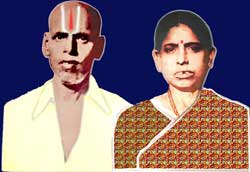
Image: http://www.ahobilam.com/images/nvsparents-s.jpg வர்ணாச்ரம
தர்மகாண்டம் வைத்யநாத தீக்ஷிதீய - ஸ்ம்ருதிமுக்தாபலத்தில் ச்ராத்த காண்டம் -
முதல் பாகம்.
குறிப்பு: மிக மிக அரிதான இந்த க்ரந்தம் அடியேனுக்குக் கிடைத்துள்ளது!
பெற்றோரின்பால் அதிக பற்றுதல் உள்ள ஆன்மீகவாதிகளுக்கான பொக்கிஷம். விஷயத்தை
அறிந்து வைத்திருந்தால் முடிந்ததைக் கடைப்பிடிக்கலாம். குறைந்தபக்ஷம் செய்யக்
கூடாதவற்றையாவது தவிர்க்கலாம். என்னைப் பெற்ற தெய்வங்களான, தெய்வமாகிவிட்ட
ஸ்ரீ.உப.வே. தீவளூர் வெங்கட்ராகவ ஐயங்கார், திருமதி. சீதாலக்ஷ்மி
அம்மங்காருக்கு இந்த என் சிறிய தர்மகாரிய புண்ணியங்களைச் சமர்ப்பிக்கிறேன்.
அதிகம் முன்னுரை எதுவும் வழங்காது நேரடியாக விஷயத்துக்கு வருகிறேன். இந்த
க்ரந்தம் தமிழ் மற்றும் க்ரந்தத்தில் மொத்தம் 140 தலைப்புகளின் கீழ் 978
பக்கங்களைக் கொண்டது. யுனிகோட் தமிழ் பான்டில் உருவாக்கப்பட்டுவருகிறது.
மற்றும் தர்ம சாஸ்த்ர சுருக்கம் மிக மிக முக்கியமான பகுதிகளைக் கொண்டது
எளிமையானது, இங்கு வெளியிடப்பட்டுள்ளது இங்கேயே பார்வையிடலாம் (
http://www.ahobilam.com/DharmaSastram/Default.aspx). தேவையானால்
சேமித்துக்கொள்ளலாம்.

Wednesday, September 28, 2011

தசாவதார பெருமாள்

தசாவதார பெருமாள்
நன்றி:குமுதம் பக்தி-
ஸ்பெஷல் -September 16-30,2011
===========================

Thursday, September 22, 2011

வைணவர்கள் திருமண் இட்டுக்கொள்ளும் சில விதிமுறைகள்


வைணவர்கள் திருமண் இட்டுக்கொள்ளும் சில விதிமுறைகள்
==========================================================
(நன்றி: ஸ்ரீ வைஷ்ணவ ஸ்ரீ அ.கிருஷ்ணமாசார்யர்:
ஆசிரியர்:பாஞ்ச ஜன்யம் -இதழ்:September-2009)
_____________________________________________________
===================================================

Anushtanam - How to wear Thiruman Kaapu
Described with pictures : How to wear the Thiruman and Srichurnam in the order at 12 (13) placess of a Sri Vaishnava Sareeram

Start from 1.Forehead -> 2.Stomech center -> 3.Middle chest -> 4.Middle neck
5.Right stomech -> 6.Right arm -> 7.Right neck
8.Left stomech -> 9.Left arm -> 10.Left neck
11.Bottom of the back -> 12.Back neck If you have balance of Thiruman in your left hand that can be applied at the uppermost region of your fore head.
The Srichurnam also should be worn in the same order as below:

Middle completed first.

Right side completed second

Left side completed third and in the next image you are seeing the back side two places.
  While wearing Thiruman (white) we should chant a Bhagavan Naama for each place.
Like wise, the Piraati / Thaayar name should be chanted while wearing srichurnam at each place. The names are given in the same order below:
Instructions from starting: Take a spoon (Udhdharani) of water and sweep the left palm with that water and say "Veeryaya asthraya bhat" and cleand the hand. Again take water by saying "Om gjnaaya hrudayaya namaha", then chant : "udhrdhaasi varaaheNa krushnena sathabaahunaa", take the thiruman stick and say "Bhoomir denurdharani loga dhaarini" and rub by saying "gandhadwaraam duraadharushaam nithyapushtaam kareeshineem eswareem sarva bhuthaanam twamihopahvaye shriyam" and "Bhagavan pavitram vasudevaha, pavitram sathathaaram sahasrathaaram, aparimidhatharam achithram arishtam akshayyam paramam pavitram bhagavan vasudeva: punathu" this is called pavithra mantram.
Ass per shastra the thiruman is to be worn using the ring finger or index fingure but usually it is done with the help of a silver stick. As shown in the picture now wear thiruman in the order and with the corresponding Bhagavan name for that place.
     1. Kesavaya Nama:      2. Narayanaya Nama:
     3. Madhavaya Nama:      4. Govindaya Nama:
     5. Vishnave Nama:      6. Madhusudhanaya Nama:
     7. Thrivikramaya Nama:      8. Vamanaya Nama:
     9. Sridharaya Nama:    10. Rushikesaya Nama:
    11. Padmanabhaya Nama:    12. Damodaraya Nama:
As said before the balance thiruman can be rubbed at the top most place of your fore head which is shistacharam
The Srichurnam also should be prepared with the above pavitra mantram and then worn in the same order as done for Thiruman.
     1. Sriyai Nama:      2. Amrudhothbhavayai Nama:
     3. Kamalayai Nama:      4. Chandrasodharyai Nama:
     5. Vishnupathniyai Nama:      6. Vaishnavyai Nama:
     7. Vararohayai Nama:      8. Harivallabhayai Nama:
     9. Saarginyai Nama:    10. Deva devikayai Nama:
    11. Surasundaryai Nama:    12. Mahalakshmyai Nama:
   The balance Srichurnam also to be worn at the top most part of the fore head by saying "Sarvabheeshta palapradayai Nama:"

another   LINK:  Thanks to brahminsnet.com/forums/Wearing-Thiruman-Srichurnam-as-per-Sampradayam

Wearing Thiruman & Srichurnam as per Sampradayam

___________________________________________________

Anushtanam - How to wear Thiruman Kaapu
Described with pictures : How to wear the Thiruman and Srichurnam in the order at 12 (13) placess of a Sri Vaishnava Sareeram

Start from 1.Forehead -> 2.Stomech center -> 3.Middle chest -> 4.Middle neck
5.Right stomech -> 6.Right arm -> 7.Right neck
8.Left stomech -> 9.Left arm -> 10.Left neck
11.Bottom of the back -> 12.Back neck If you have balance of Thiruman in your left hand that can be applied at the uppermost region of your fore head.
The Srichurnam also should be worn in the same order as below:

Middle completed first.

Right side completed second

Left side completed third and in the next image you are seeing the back side two places.
  While wearing Thiruman (white) we should chant a Bhagavan Naama for each place.
Like wise, the Piraati / Thaayar name should be chanted while wearing srichurnam at each place. The names are given in the same order below:
Instructions from starting: Take a spoon (Udhdharani) of water and sweep the left palm with that water and say "Veeryaya asthraya bhat" and cleand the hand. Again take water by saying "Om gjnaaya hrudayaya namaha", then chant : "udhrdhaasi varaaheNa krushnena sathabaahunaa", take the thiruman stick and say "Bhoomir denurdharani loga dhaarini" and rub by saying "gandhadwaraam duraadharushaam nithyapushtaam kareeshineem eswareem sarva bhuthaanam twamihopahvaye shriyam" and "Bhagavan pavitram vasudevaha, pavitram sathathaaram sahasrathaaram, aparimidhatharam achithram arishtam akshayyam paramam pavitram bhagavan vasudeva: punathu" this is called pavithra mantram.
Ass per shastra the thiruman is to be worn using the ring finger or index fingure but usually it is done with the help of a silver stick. As shown in the picture now wear thiruman in the order and with the corresponding Bhagavan name for that place.
     1. Kesavaya Nama:      2. Narayanaya Nama:
     3. Madhavaya Nama:      4. Govindaya Nama:
     5. Vishnave Nama:      6. Madhusudhanaya Nama:
     7. Thrivikramaya Nama:      8. Vamanaya Nama:
     9. Sridharaya Nama:    10. Rushikesaya Nama:
    11. Padmanabhaya Nama:    12. Damodaraya Nama:
As said before the balance thiruman can be rubbed at the top most place of your fore head which is shistacharam
The Srichurnam also should be prepared with the above pavitra mantram and then worn in the same order as done for Thiruman.
     1. Sriyai Nama:      2. Amrudhothbhavayai Nama:
     3. Kamalayai Nama:      4. Chandrasodharyai Nama:
     5. Vishnupathniyai Nama:      6. Vaishnavyai Nama:
     7. Vararohayai Nama:      8. Harivallabhayai Nama:
     9. Saarginyai Nama:    10. Deva devikayai Nama:
    11. Surasundaryai Nama:    12. Mahalakshmyai Nama:
   The balance Srichurnam also to be worn at the top most part of the fore head by saying "Sarvabheeshta palapradayai Nama:"

Anushtanam - How to wear Thiruman Kaapu
Described with pictures : How to wear the Thiruman and Srichurnam in the order at 12 (13) placess of a Sri Vaishnava Sareeram

Start from 1.Forehead -> 2.Stomech center -> 3.Middle chest -> 4.Middle neck
5.Right stomech -> 6.Right arm -> 7.Right neck
8.Left stomech -> 9.Left arm -> 10.Left neck
11.Bottom of the back -> 12.Back neck If you have balance of Thiruman in your left hand that can be applied at the uppermost region of your fore head.
The Srichurnam also should be worn in the same order as below:

Middle completed first.

Right side completed second

Left side completed third and in the next image you are seeing the back side two places.
  While wearing Thiruman (white) we should chant a Bhagavan Naama for each place.
Like wise, the Piraati / Thaayar name should be chanted while wearing srichurnam at each place. The names are given in the same order below:
Instructions from starting: Take a spoon (Udhdharani) of water and sweep the left palm with that water and say "Veeryaya asthraya bhat" and cleand the hand. Again take water by saying "Om gjnaaya hrudayaya namaha", then chant : "udhrdhaasi varaaheNa krushnena sathabaahunaa", take the thiruman stick and say "Bhoomir denurdharani loga dhaarini" and rub by saying "gandhadwaraam duraadharushaam nithyapushtaam kareeshineem eswareem sarva bhuthaanam twamihopahvaye shriyam" and "Bhagavan pavitram vasudevaha, pavitram sathathaaram sahasrathaaram, aparimidhatharam achithram arishtam akshayyam paramam pavitram bhagavan vasudeva: punathu" this is called pavithra mantram.
Ass per shastra the thiruman is to be worn using the ring finger or index fingure but usually it is done with the help of a silver stick. As shown in the picture now wear thiruman in the order and with the corresponding Bhagavan name for that place.
     1. Kesavaya Nama:      2. Narayanaya Nama:
     3. Madhavaya Nama:      4. Govindaya Nama:
     5. Vishnave Nama:      6. Madhusudhanaya Nama:
     7. Thrivikramaya Nama:      8. Vamanaya Nama:
     9. Sridharaya Nama:    10. Rushikesaya Nama:
    11. Padmanabhaya Nama:    12. Damodaraya Nama:
As said before the balance thiruman can be rubbed at the top most place of your fore head which is shistacharam
The Srichurnam also should be prepared with the above pavitra mantram and then worn in the same order as done for Thiruman.
     1. Sriyai Nama:      2. Amrudhothbhavayai Nama:
     3. Kamalayai Nama:      4. Chandrasodharyai Nama:
     5. Vishnupathniyai Nama:      6. Vaishnavyai Nama:
     7. Vararohayai Nama:      8. Harivallabhayai Nama:
     9. Saarginyai Nama:    10. Deva devikayai Nama:
    11. Surasundaryai Nama:    12. Mahalakshmyai Nama:
   The balance Srichurnam also to be worn at the top most part of the fore head by saying "Sarvabheeshta palapradayai Nama:"

Saturday, September 17, 2011

QUESTION & ANSWERS ON SRARDDHA & THARPAN

QUESTION & ANSWERS ON SRARDDHA & THARPAN

________________________________
LINK:   http://www.trsiyengar.com/id139.shtml
_______________________________________

Introduction.

After having his some doubts cleared on Gaya Srardha, through the FAQ pages of this website, Mr. Gopala Krishna has written many mails asking for clarifications in our Srardha and TharppaNa procedures. This question & answer is prepared to have an enlightening about Sraardha and Tharpan. I am thankful to Mr. Gopalakrishnan Ramaiyer, now settled in Chennai for condensing our email exchanges into this Q & A format. The Questions some times you may see as something you always wanted to ask and get the Answer. The answers are given in simple understanding manner. In fact it is the compression of the various questions put to me in different occasions by visitor Sri R. Gopala Krishnan who is a retired officer from BSNL Trivandrum. In fact, the summarized Q&A below is out of our various e-mail exchanges on the subject.
Q1. Sir – Who has performed sraardha first? Who has coordinated the procedures for the sraardha we perform today? Has any body amended it?
A1. Good question! It will be astonishing to you if I say that Sri Varaha moorthy has performed sradha first. Sage Bodhayana has co-ordinated the procedures for Sraadha. But his procedures are lengthy. For instance, even while Bhokthas are taking food, Kartha is to continue performing the lengthy Jayathi Homa. These procedures are later amended by sage Apasthambha which is the basis of Sraadha Niyama now we follow.
Dear Sir, You would have heard lengthy manthras for Bodhaya soothra while you perform annual upakarma. I hope this much will satisfy your question.
Q2. Sir, I have heard Sraadha has to be performed by self. Is it possible?
A2. Sraadha niyama say so. But due to the elaborate procedures and complexities in them, we seek the Sasthrikals known as Bruhaspathi or Vadyar to guide. Now it has become order of the day to invite Sasthrikals, Bruhaspathi known as Vaadyar.
If you refer Ithihasa (The History) Ramayana, you will read Sri Rama performed Sraadha for Dasaratha himself
Q3. Sir is it correct that Sraadha has to be performed in Aparannam. What is your view?
A3. Again Sraadha niyama say so. We are in a fast moving world. Can the present day kartha and Bhoktha can remain that much time? Kartha or Bhoktha can be a sugar patient. Can they wait so much? However it is apt to perform sraadha so that the Bhokthas take their food in the afternoon. I hope after reading this you will not get displeased with either sasthrikals or Bhokthas if they come a little late by 11 AM or so. I hope this reply satisfy you.
Q4. Sir, Your answers make me more curious. You have said Sradha Niyama two times to me. Where can we have sraadha niyama now?
A4. It is interesting to note that you are more curious. One sradha niyama authority is vaidyanatheeyam or Vaidyanatha deekshitheeyam. You can refer it to clarify many of your doubts. This is actually a Tamil translation of smrithi muktAphalam, named as vaidhyanAdha dhIkshithIyam, compiled and translated by Sri Venkatrama Shastry and Sri Ramamoorthy Shastry, at the behest of srI KAnchi ParamAchAryAl in 1985. I can give you the details of this book since you are very curious.
Title: samkshEpa dharma sAstram ,
Publishers: Heritage India Educational Trust,
#6, Sanskrit College street, Mylapore,
Chennai - 600 004 Latest edition: Third, 1990
This book deals with many other topics too. Just for your information, the book is really a boon as the price is astonishingly very very little comparing to its worth. Since you are at present settled in Chennai, I think you could get one copy from them. There are many books in other languages too. As an appendix, this book also clarifies on Aasaucha sadakam.
Q5. Sir, This question was in my mind for a long time. Now I put it to you. Do Viswamdeva (Viswedava) escort or guide the pithru?
A5. I think you are going deeper in to sraadha. I will try to answer all your queries, For your question Viswam deva is both. Even if the pithru is in nether world he is to be brought by Viswam deva only. I hope this gives satisfactory answer to you.
Q6. Sir, This is another question in my mind for a long time. During sraadha we feed only one Bhoktha. Then how do we call Vasu, Rudra Aditya swaroopaya and pithrus from three generations? I hope I am making you to think putting questions of elaborative nature.
A6. Dear Sir, Surely the answer to this question is rather than elaborative they are sookshma in nature. How ever I will answer the question in simplest manner.
Basically understand in Sraadha a set of procedures is followed to recollect the pithru. The set procedures as told are followed. Many of these procedures have inner meanings too still not fully explained or can understand from the sraadha books.
If you go through the manthras you will learn not only three generations but jnatha Anjatha pithrus too you invite and feed. This is sankalpa. You are performing sraadha to the pithru who has left on that thithi.
You have asked why we refer in Sradha Vasu Rudra Aditya swaroopaya. They are sradha deities.
If you are going to invite a relative and his friends too are there will you invite your friend only? Why for courtesy call others too? Will we not send them too some compliments through him?
One bhoktha whom you invite represent the pithru for whom sradha is performed. We identify him in addition with Sraadha deities Vasu, Rudra and Aditya. Usually Vasu is pithru deity for whom sraadha is done. Rudra and Aditya represent other pithru deities whom you invite. It is told by identifying the invited bhoktha with Vasu, Rudra and Aditya deities the sraadha offerings are taken to all invitees. As I first said the explanation is sookshma. This indirectly hints pithru is another deity like viswamdeva (Viswedevas).
Q7. Sir Do our pithru reach swarga?
A7. Why doubt? The ultimate destination being Kailasam aka Paramapadam, the souls wander from one location to other, depending on their merits and punya bhalam. They reach their destinations by various steps; pithrulokam, devalokam, etc. The actual paramapatham, Srivaikuntham or kailasam are one and the same as per the philosophical readings.
Q8. Excuse me sir; you have said depending on the merit the pithru reach Paramapadam. If so what happen by performing sraadha to a pithru reached Swarga. Is it too sooshma to explain?
A8. But having no way to know the facts, we are instructed to continue the srardham till our lifetime. Here too, we do it not only for the parents who left, but also for three-generation viz. grand and great grand parents. Why? If by any chance, if our parent reached the destination but any of the grand parents left wandering, then it is for them to gain through this srardham. What if none of them wandering but all reached safely to the Kailasam or the Paramapadam? It will benefit Njaatha ajnjaatha pithrus.
The very basic reason for having prescribed to perform it for three generation is the most vital part of the value added srardham.
Q9. Sir, Do not think I am philosophical and too much pondering. When we offer the seventh pinda during sraadha it go to Jnatha Anjatha pithrus. Am I correct if I say it pertain to sahothra?
A9. Mr, Gopala Krishnan- It is not you are going philosophical but it is a desire to know more on sraadha. I am happy you are showing so much interest. I am too much happy to answer you …
Ok, Sir, you are correct. Jnatha Anjatha Here, when you perform the srardham with homam, after offering twice each to Pithru, Pithamaha & Prapithamaha - the seventh time offering is to Njaathi -i.e. distant cousins who left the earth. In case of anyone who left without any such ceremony performed, let the seventh step offering reach them – that is for the Sahothra njaathi. (Njaathaagnjaatha, pithrupyapcha, yathaa swaahaah:) By doing this seventh Ahuthi with Havis that reaches to the Sahothra Daayathi, who might have left without any kriya/kainkaryam performed for many reasons (No issues, died at unknown place, nobody knows who is who when left, or some of them with issues but they never cared to perform the rituals from the beginning etc. etl.)
So, even if our parents, grand & great grand parents reached the abode, it is for us to continue the thithi srardham till our life time only for those who might have fortunate..
Q10. Sir, I have a doubt. Do the tharpanam done on sraadha day itself at the end is not as per niyama?
A10. Sir, Is your entire query on sraadha is over and I can take a relief?
Surely It is local codification in course of time. Actually it has to be performed only on the next day. But it has become practice of the day in context of sasthrikal and Kartha. However some thing done is better than not done. We are also becoming Apasthamba some times!!!
Q11. Sir, My questions on sraadha are not over please. The Tharpanam question on sraadha day came to my mind and I raised it. Sir, Many perform Hiranya sraadha in place of sraadhan with Homam. Why there are these two types of sraadham? Sir, Hiranya sraadham as per rules is to be conducted by those who are physically not capable and much aged or who are extremely poor.
A11. Sir, Well asked an important question. Hiranya sraadha is told for people who have got certain limitations like very aged and not able to perform the long procedure srarddha etc.
All capacitate (it is not financial alone but physical and mental too) people should perform sraadha with Homam. True benefit is only achieved through performing Srardham with HOMAM! Only when performed with homam, these are given thrice to the parents - first through the agni swaroopam, then through the Brahmmana Bhojanam and then lastly through the Pinda pradhanam (For Sama and Rg Vedhis three pindams and for Yajur Vedhis with six pindams – and for Bhodhayana soothra followers it is 24 Pindams!). Only on doing these three steps, then the remainder cooked rice becomes Pithru sesham.
One has to eat this pithru seasham to gain the benefits of the srardham . The pithru seasham is known blessings directed to us which is left untouched by many - without knowing the values!
In hiranya sraadham there is no pithru sesham, which is the main blessing of pithru. I hope after reading this answer at least able people will perform sraadha with Homam.
Q12. Sir, who all can take food prepared for sraadha, after offering to Bhoktha?
A12. It can be taken by close relations and by sagothra too. Normally, other Gothra persons do not share the srardha food. However, children below the age of 7 years are allowed eat the srardha food. But in Srivaishnava Thenkalai sampradaya, it is known as ishta pandhi, where any one who is not related, too can eat, if one wish.
Q13. Another important question is coming to my mind Sir, in those days when there was monthly period for the wife how did the kartha-performed sraadha? Now a day the problem may not appear perhaps by taking medical assistance.
A13. It appears you are coming to practical sides.In those days, in villages they had a very big place at backyard for the women to take shelter during the inconvenient periods. They used stay at a distance, where you won’t even hear them. (Even hearing them talking during their periods was not allowed and mostly restricted to few house members).
In Sama Veda sampradaya, they perform only after the fifth day, after Kartha’s wife taking bath. In Rig Veda’s followers too it was the same. But in Yajur Veda followers, they can perform it even in the absence of one’s wife during the Srarddha.
In normal terms, for every sect and sub-sect, allowed their female family member with periods to stay elsewhere during and earlier day of sradha.
During the Punyahavachanam, they used to add a word in sankalpam “rajaswala aasoucha nivruthiyartham” and then perform the Graha suddhi to continue with the ceremony. Oh, thinking of the present day cubicles and flat system and apartments!!!!.
Q14. Sir, I know there are different types of sraadhas. There is Atma pinda sraadha with special manthra too. My question sir, who are advised to perform Jala srradha and Hiranya sraadha?
A14. Hiranaya sraadha I have already replied. How ever I will give one more clarification and express the srardha niyama as explained by my distant cousin, late Sri Mukkur Lakshminarasimhachariar, (who was very popular for his divine writings in many periodicals, very specifically for an article series in Kalki "Kurai Onrum Illai Govinda") has given some hints on the Srardha procedures. He even wrote an article in one of the Kalki Deepavali supplement and I give the contents here below for the readers to take a note. The Srardha niyama in three different types with each having values on Uthama, Madhima & Athama paksha:
The Uthama factors: Srardha with Homam
With five Brahmins - one each for the post of Brahmma, Bruhaspathi, Viswedeva, Pithru and Sri Mahavishnu as Srardha Samrakshaka. - Uthamothamam.
Bruhaspathi, viswedeva, Pithru & Vishnu - Uthamam
Bruhaspathi, Vishwedeva & Pithru - Madhimam
Bruhaspathi & Bhokta Pithru - Adhamam
The Madhima factors - Srardha without Homam but only with sankalpam:
Sankalpa srardha without homam but bhojanam to three Brahmins plus vaadyar - Uthamam
sankalpa Srardha without homam but with two bhoktas - Viswedeva & Pithrus + Vadyar - Madhimam
Sankalpa Srardha without homam but with only one Bhokta + vadyar - Adhamam
Adhama factors - No homam, No bhojanam but only offering raw rice, raw banana with pulses, jaggery etc. with Sankalpam:
offering to 3 Brahmins - Uthamam - Visvedeva, Pithru, Sri Mahavishnu and Bruhaspathi - Uthamam
offering to two Brahmins - visvedeva, Pithrus - Madhimam
offering to only one Brahmin - Adhamam
Adhamoadhamam:
Offering to only one Brahmin that too without any sankalpa mantra - this is known as Aama srardham.
And still, if one cannot do any of the above for varied reasons, it was said to perform at least the Thila TharppaNam on that day and offer it to the Vishnu padam to remember the Thithi! This is the least one can afford - if one is so poor, sick and disabled. If one cannot even afford the Thila (seasame), then just only with plain water!
If age factor and monetary considerations are not favourable, one has to perform to the minimum possible way, i.e. by Sankalpam with Hiranyam. And Sri Lord Krishna wants at least a TharpaNam by offerring it to the Vishnu Padam (only, sick, aged and poor can do the srardham just only with TharpaNam!).
Q15. Sir, What is pithru dosha? Does this appear on account of non-performance of sraardha?
A15. Very good, now you have come to related topics. The pitru dosha is supposed to be caused by non-performance of sraardha rites. It. causes childlessness, obstacles and failures in many ways.
Q16. Sir, This question is regarding a very big confusion in my mind. Once I wrote in the Yahoo iyer 123 group for pithru 1 year is equal to a day. A few replied back to me it is a month and not one year. Please clarify.
A16. Dear Sri Gopala Krishnan, it is not you only, but many have this confusion. Actually, the period of day & night and months are quite different in different logam, just like the one in the planets and celestial phenomena. If pithru's happen to be in pithru logam, for them Sukla paksha/Krishna paksha each fifteen days counts as day and night.
If they reach the deva gana status, then Dakshinayanam & Uthrayanam period of six months each stands for them as a day and night.
Here I will add a little bit more so that my point will be further enlightened. Pithru do not get hungry as we. For the first one year after death we offer masikam-monthly feeding. After annual sraadha once in a year. This mean once in 12 days. For pithru this feeding is sufficient. This is the procedure followed now. If they have reached Devaloka it is ones a day.
Please note pithru ned not be in pithru loka or deva loka. There are six worlds above us and seven worlds below us.
In this context I hope you recollect the story of sage Sandipani. Sree Krishna offered him Gurudakshina after praying to Lord Varuna and Going to the nether world bringing back his deceased son…
Though you have not asked, still I like to clarify a little bit about tharpan in this context.
Monthly Tharpanam is not pithru feeding. It is to get their blessings. Many confuse that tharpanam is for feeding pithru. I will discuss further on tharpanams if you have any query on it . As I said earlier in my answer there are certain sooshma instructions. Annual sraadha is one among them. I hope you are contented with this reply.
Q 17. We normally perform sraadha on a specific given thithi of the month of death. Sir, Can we postpone/advance to any earlier or later thithi?
A17. It is desired sraadha be performed on the fixed thithi only. However there are some exceptions told in the scripts, like - (1) If Vadhyar, Bhokta failed to turn, then also you can postpone it to a convenient day. (2) If due to war, mutiny, calamity etc. one can postpone the same to any other convenient day, till the normalcy returns! Or if any death take place amongst one's close relatives (aasoucham) one can postpone srardha to the day when aasoucham is over.
One compulsory rule is, you can postpone the thithi sraadham but cannot advance it!” These are the main rulings. I hope you are satisfied with the reply.
Q18. Excuse me sir, if sraadha can be postponed why it should not be advanced? Can you kindly clarify?
A 18. Mr Gopala Krishnan, I answered postponement of sraadha is permitted on extreme conditions. It is very simple logic to answer your question why it should not be proponed
.
Shall I start with a simple example. If you are taking meals at 1 PM regularly you will feel hungry and turn to dining table only by that time. Particularly if you are having any health problem timely food is a must. Either earlier or later you may not go. You know it very well. Similar is the case of the pithru. They will not turn up earlier.
You will put the question- then why postponement is approved?
Yes, again the same example for easy understanding - you go to the dining table and if your wife say just wait another 10 minutes, you may (Have to?) wait. But everyday if you have to wait surely will you not become angry?
Refer my answer for postponement of sraadha. On extreme conditions only it is permitted. I hope this answer is convincing you. Once again I emphasize the point - Pithrus appear only on the day of srardham and if failed , then they visit on all subsequent days till it is performed. This is just like your impatience to have the food in my example.
Q19. Excuse me sir,-we perform Nanthi (Nothing but a variation of sraadha in my thinking ) on a convenient date before any auspicious function. It is an untimely calling. How do you justify it if timely meals just like a sick patient is to be given to the pithru. Am I embarrassing you too much?
A19. Not at all sir, From your way of putting the questions I understand very well your intentions of clarifications. I am expecting more and more questions. Incidentally are you not having any questions on Tharpan? I will answer your question now.
The Abvyooham known as nandhi srardham is known for "KaaraNa nimitham" i.e. for a specific benefit. It is to seek their blessings for the special occasion. It is just like any other festivity that we take special meals than the regular and unusual. There is no over-feeding amounts on the "kaaraNa nimitham" since this is for a specific special purpose.
Since you have asked I will add a little more on nanthi sasthra which may give some more informations to you about it.
There are some stipulations one has to follow for every ritual. These are classified under Dharma sasthra; with the help of a learned person, one can invite the departed souls only on pre-laid conditions per sastra for some reasonable functions as Nandhi srardha only. Other pithru days are not counted as a disturbance as they do expect these on given days. The same rule applies to sraadha conducted in Punnia kshethras like Rrameswaram, Prayag, Kasi, Gaya etc.
When you do the Nandhi srardham, it is said to be directed to all the 14 Lokams so as to get the blessings from all, whoever, wherever they might reside are linked to us and surely there is no question arises of our disturb/botheration to any soul.
Q20. Respected Sir, surely I have questions on Tharpanam but they are few in number since you have clearly stated already it is for the blessings and not feeding.
I have a few more questions on sraadha. I will put the next one - Why the pinda is offered to crow. Can it be offered to cow if crow do not turn up?
A20. Niyathi is to offer pinda to crow and before the bhoktha get up after meals, crows should be start eating pinda.
Crow is said to be a carrier/messenger for the pithrus. When a srardha/tharppana mantra is recited at any location and if a crow flies across even a furlong away, then the message is carried/uplifted to the pithrulogam, it is believed. Yes, the phonetic wave vibrations are taken from one station is just uplifted with its wings. (Even the researchers agree, crow has a special power even to uplift the ether waves and some sort of unknown signals lengths.
When an Earth quake is about to take place, researchers say, crow is the first creature to be watched as it feels the shock even before it strikes!!). It is the most reserved and alert bird.
I have heard that in certain places Crow do not turn up. In such places we can adopt local conditions. Are we not changing many things suit to local conditions?
One needs to be practical to give merit to the ethics. The Sasthra says to do it; when the availability of such and such things are rare, then one need to abide by the sastra but leave the matter to almighty! Be practical to the minimum extent. required.
As a matter of fact, most of our rituals are surely based on local conditions and the practices we follow are that most suited to the place we dwell in. Even the Almanac known as Panchang we use in the south , it is quite different one from the one used in the North or Eastern India. Why so? Surely, Rithu/ayana etc are different from one other and it is purely based on the climatic & topographical conditions of each place.
Now sir, I can give an interesting piece of information after giving the Vayasam - pindam to the crow:
If it eats the rice from the ball from east side, it is said to be a good omen, that the coming generations too will benefit from the pithru's blessings.
If from the west side Aiswarya
And if from north side of the ball if it eats then pithru's are not fully contented happy over the ritual.
If it takes from the south side, then some sort of trouble is impending.
What if four crows at a time eats from all directions? Surely our present life continue, that much one can be sure of!
But I think in many areas crow taking the pinda rice immediately is considered as pithru satisfaction of the sraadha performance.
I have heard in certain houses even crow will be impatiently waiting for the second Kartha keep the pinda for its eating.
I hope this answering though gone lengthy has input a lot more information . What do you think?
Now, let us think on the rationale way. Crow is an environmental cleansing agent. It takes away every bit of dirt that if left that would contaminate the surroundings. Whether rat or any other dead animal, the crow will eat it and cleanse the place neatly!. But the fact is, if any other creature dies, crow will eat it; and if a crow dies - oh, it is to bio-degrade itself with the soil !! Yes, no other creature will touch the dead crow.
Q21. Sir, Though lengthy the answering was very very nformative. Thank you. Sir, my next question- Now a days practically it is impossible to remain till aparanna with out even taking coffee or milk for elderly and sick people. This applies to Bhoktha too. What is your opinion on it?
A21. Sir, In the present world surely your query is justified for elders. If your ill health do not permit to remain with out taking any thing till sraadha completed take some thing . At least while performing sraadha- two hours time do not take any thing. If a kartha or bhoktha is having high Blood sugar, then insulin and morning food after it are important. Try to conduct sraadha earlier. These are all my personal opinions. What I feel is your sinceority to conduct sraadha is most important.
Q 22. Can you elaborate rules regarding the Bhoktha sir?
A 22. Surely I will. For the sanctity of the bhoktha these are all the must.
1. He should be fairly healthy, married and a family man and with no physical handicappedness.
2. He should refrain from family life on the previous day.
3. He should have fasted the previous day.
4. He should be clean, neatly dressed and should have taken oil bath on the day.
5. He should partake only in one sraadha on a day. This is very important.
6. On the sraardha day too other than the food taken no meals should be taken in the night.
7. If not done the Veda Adyayanam fully, at least he must a be a person doing his daily Gayatri Japa. And above all,
8. He should not be from the same Gothra as that of Kartha.
I think you agree if I state such a bhoktha has to be fully compensated with Dakshina and other forms . Bhoktha can partake maximum seven sraadhas in a month. The entire month bhoktha and his family has to survive on the dakshina.
Q23. Sir,I fully agree with you.. I have three more questions in my mind before I put my queries on Tharpan.
First one is whether thithi or nakshathra of death is to be reckoned? In Kerala Nairs follow Nakshathra. Nampoothiries too if I recollect. In Calcutta star is found followed according to one sraadha book in Bengali I have read.
A23. Surely a good question you have asked me .Now I will give the clarification.
In general the Nakshatra for birth and thithi for death is taken. However, for the Lords, the thithi is given importance by many and the nakshatra is given importance by others. (Few for the festivity consider Pusyha/Rohini).
In Srivaishnava, even a fraction of seconds of Sapthami is not to be there for Sri Krishna Jayanthi, even if Rohini slips out!
The reason for this is as we live on this earth it is to be taken according to this planets rotational movements that falls in the Nakshatra. And for the Pithru’s it the Thithi is important because, as the Pithru locational calander is based on fifteen days Sukla/Krishna paksha is a day for them.
As far the Lords, it is the one and same applicable as they too were born and departed souls in this earth! These are my assumptions and there is no syllable I can quote. May be I have not come across any such notations on this. I admit the fact, I am not able to say why srardha should not be conducted as per star.
Q24. Sir my next question is about theertha sraadha. and specifically sraadha performed at Rameswaram, Prayag, Banaras and Gaya. I want an elaborative reply from you regarding their importance and why they are important.
A24. First I will answer Why this Gaya sraadha is made important.
A srardha performed near any of the Sacred river-side known as Jeeva Nadhi is always has multiple benefits. And when it comes to Gaya, Kasi or Sethu known as Rameswaram, it has more value, as these places are mentioned as Punya-Kshetra, where the Lord Himself has set His foot.
More so, in Gaya the Lord’s feet print (only in single) known, as Vishnu Padam is located, thus signifying the offering the Pindam directly to the Vishnu Padam.
Thus Gaya srardham gets highest merits to add punya-bhalam to the coming generations in a flow.
As stated earlier, being the important place where Sri Mahavishnu’s footprint known as Vishnu Padam is located, it was widely given much more importance in Srardha Niyama. Thus expecting the entire Sanadhana Dharma followers will be visiting once in their lifetime, the settlement of Brahmin communities was imminent. To help it’s followers, each Mutt or Sect has established it’s branches to facilitate the visitors of respective sect to do the ordained ritual; they made every available source to render its services to the needy.
Here in Gaya, irrespective of your faith and membership of one’s sect, you can perform the srardha from any other mutt also, as the aim and intention is the same. Also, the mantra vidhi is all the same for every one!
Another important thing-Every body who simply desire to go are not able to go to these places. Some obstructions in some way come in their way. Above all some destiny take us there…. And only the gifted one does perform the Srardha here, let what come the cost.
The Gaya Srardha has no equations. It is the specialty of Vishnu Padam location, which counts much more benefits; one needs to do, perform the Theertha Srardha once in their lifetime.
Above all, it is the gifted souls that reach their to perform the srardha – either in the belief of weeding off their sins, or to gain to punyabhalam; in most cases, the visitors sincerely and honestly perform it there, to relieve the souls and send them to their ultimate destinations, out of pure love, affection and care for the departed persons.

In your one earlier query I had clarified already the following points which I may add here too for the benefit of visitors:

1. Gaya sraadha is equivalent to performing 60 annual sraadhas.
2. After Gaya sraadha, conducting sraadha should not be discontinued. Continuing sraadha will surely feed Jnatha Anjatha pithrus if our pithrus have gone to their destinations. It adds to punniabalam.
There are even persons perform sraadha for Jnatha anjatha pithrus too for punniam. I hope this reply is elaborate as you desired.
Q25. Sir, My last question is about the queries itself I have put forth so far. I think I have put forth queries which needed answer in mine as well as from many peoples mind.
A25. Yes sir, Really I too feel so. Your queries are thought provoking. I too feel this Q&A will be benefiting to the visitors to my site .Thank you very much for patronizing my site. Now let us proceed with your other questions on TharppaNa niyama.

QUESTION & ANSWER ON THARPANA.

Q1. Sir, You have already clarified many times Tharpan is not pithru feeding. If so why we are conducting tharpan?
A1. According to Pithrumedha sagaram, any srardha with bhojanam is only the feeding. And the tharppaNam is entirely for the benefit of more gains through blessings .So you get blessings of the pithrus by tharpan Irrespective of the place where pithru stay.
The tharpan offerings til (black seasame known as gingily) and Jal (water) reach them. Only the mantra roopa "hitham, swathaa nama: tharppayami" and no where it is mentioned whether-where they live or stay put . I hope this simple answer is sufficient.
Q2 Sir, If one’s mother leave to heavenly abode keeping father alive why do Tharpan is not performed till father's death? Do not the soul of mother has to bless us, if the father's death occur late?.
A2. Dear Mr Gopala Krishnan, Here my answer is a little elaborate. Then only why tharpan for mother is not performed can be clarified to you.
The Dharma Sastra bestows many rights only to a son. Are not the daughters equal? Once a woman marries, she belong to another gothra. She is to gain all the benefits from the home she enters as an housewife. She becomes the head of the family. This is the prevailing status in Hindu dharma for living souls.
For the departed souls, the annual srardham is the only feeding and hence we do not leave them hungry. But for the male counterpart, the Tharpana niyama is in mantra roopa and hence it is not amounting to feeding.
As a rule, male vamsavali is only counted as genetical factors and no female vamsavali is known to be taken. It is for the Kula vrudhi , vamsa vrudhi and saubhagya one performs the ordained rituals. (VidhivihitreNa tharppana:, kulavruthena argyam, bhalavrudthena karmavyaapi, Guna vruthena saukyobava:).
Here, the thrappanam only is given to the males, just on the male vargathavya;
Since srardha feed is done individually, the tharppana only begin after the departure of the male counter part and till then no tharpanam for female.
Here again, they never starve because of not doing tharpanam since tharpan is for blessing. Here I add this too is sookshma. I hope my quotings fully satisfy your query.
Q3. Sir, I have read tharpan has to be started after sapindi for departed male soul. Now it is the practice to perform sapindi on 12th day. Then why tharpan is not started from the first month?
A3. What you have read is correct Mr. Gopala Krishnan.SapindikarNm is to be is to be performed only on the 12th month and then aabdeekam. No, not on the 12th day. Does it suprise you? Truly, this is the fact. How and where did we err? According to all the Srardha niyama books and scripts, the oldest practice is to perform the Kriya, then Oonam, thithi maasyam every month and then Sabindeekaranam in 12th month,So, normally only after the aabdeekam the Tharpanam was performed, in those days after one year.
This is the reason given by some vadyars to start the tarpanam only after one year . But pithrumethasagaram insists to perform the tharpanam immediately from the first amavasya after sabindeekaranam! So which one to follow?
In those days, they never would have thought that the sabindeekarnam too would be advanced to the 12th day instead of 12th month. There is no known authority for advancing sapindi to 12th day. This topic is more related to Tharpan and I am happy you put it in the correct context.
Q4. Sir, can one perform tharpan after some other family member leaves the home for outstation ?
A4. One should never perform the Tharpan immediately after some other family member leaves the home for outstation. Likewise, one should not prostrate a person while leaving for out of station from the home. These are all sooshma. Only when the dead body is taken out, then persons younger to the departed to prostrate while taking the body for cremations.
Q5. Can you intimate me the Source References for your answer that tharpan is for blessings?
A5. Surely. For answering your query Source References are availed from:
1.Sudheevilochanam – Pithrumethasarvyaagyaanam by Vaidhika Sarvapoumar
2.Vaidhyanaatheeyam – Sraarrdha Niyamam – By Sri Vaidhyanathar
3.Pithrumethasaaram by Thozhappar
4. Srivaishnava Sadhachara Nirnaya, 2nd Edition, Authored by present Ahobila Mutt jeer during His poorvashram.
I hope those who want to know more, can refer to them.
Q6. Sir, am I correct to say Tharpana is related to the parental lineage and to be started only after fathers death.
A6 Very correct. This answer is very much explained when I explained lineage.
Q7. Sir,that question was put to clarify answer important doubt. If Tharpana is related to the parental lineage why then we call for mothers side her father grandfather, and great Grand father. Not only that -mothers mother, grand mother too for upasthanam and tharpanam? You have to give an elaborate answer.
A7. I am really happy with your deep thinking on reading my answer. I am furnishing below the reply for question.
In every family, the maternal uncle will be performing tharpanam to your Mathru Vargam. Likewise, everyone’s mother side issues will be doing it for their maternal parents too. The niyama for starting the Tharsha Srardha (Tharpanam) is only male lineage and not female side.
However, the Tharpanam is for both side… mathru/pithru and also for Garunya pithru’s during Mahalaya. There is no doubt about this vargathavvya. The additional performance to the mathru vargam is to gain the pithru blessings in any form and also if for any reason, the mathru vargam failed to get their dues, it is the other side to offer and protect their interest. In case none else there surviving to pass the tharpana benefits from mother side, just for the sake, no issues, or all passed away or none performing, then your punyabhalam incrases by adding their vargam too.
Q8. Sir, I am well clarified now. Thank you for giving such a fit answer. In tharpana we call our pithrus including jnatha anjatha pithrus too and address and say thrupyatha thrupyatha and thrupyatha. What do the mantra really mean?
A8. Mantra Thrupyatha -means may the soul get satisfied with this offering oblation.
Q 9. Sir, if a person could not start sraadha or tharpana from beginning and he desires to perform them at a later date. Do the pithrus become happy? This QUESTION sometimes can be in many peoples mind.
A 9. When once a thought like that come he become more pure and get punnia balam even before performing. As you said there can be many in Airforce, military etc who due to their working conditions could not start them in time. There may be many others who think of performing all these things after retirements. There is a shooshma making you to think like that. No pithru will curse for not starting sofar but only bless for starting now. Thank you for putting such a question.
Q 10. Sir, this is the last question coming to my mind at present. At what time we have to perform tharpan?
A10. Dear Mr Gopala Krishnan, please do not laugh at my answer much. Many have become local Aapasthamaba and Bodhayana. We. Have shifted the day of sapindi from the end of 12th month to 12th day . We have shifted Sraadha tharpan to sraadha day. We have transferred the duty to of performing sraadha to Madhya Kailas in Chennai. We have gone to tape mantra for tharpan, Ok, Ok.
Answer to your question is, it has to be performed in the end of forenoon, preferably in the river side just like your Upakarma . But I am of the opinion considering the convenience of ourselves and your Vaadyaar/ sasthrikal after 8 AM is preferred. But surely not before sun-rise.
In addition to the above, it would not be out of place to mention some some more interesting facts on the subject. I give below the Regular Tharpanams one has to perform. Apart from the listed days here under, one has to perform the TharppaNam on the Eclipse days and also on the next day to Mathru/Pithru Srardha days:
To come to the reality and practicability, one has to read the entire Srardha Niyama and the reasoning for it. According to the Vaidhyanatheeyam and Srivaishnava Deepika, a dutiful Brahmin has to perform 96 tharppanams in a year, as stipulated in the Vedic scripts. Listed below are the days on which a Brahmin has to perform his duty in Thila tharpaNa roopam. Out of these, the Mahalaya Tharpanam can be done with Hiranyam or with BrahmmaNa bhojanam also; if not on all the sixteen day, any one day that one considers himself as most important – viz. Mahabharani, Madhyashtami or on his mathru/ pithru srardha thithi days that falls during Mahalayam.
Amavasya - 12
Masapirappu - 12
Pournami - 12
Kruthayugathi - 1
Threthayugathi - 1
Dwaparayugathi - 1
Kaliyugathi - 1
Vaithruthi Yogas - 14
Vyatheepatha Yoga -14
Mahalayathi -16
Ashtaka - 4
Anvashtaka - 4
Thisroshtaka -4
If one cannot afford to perform the Tharsha Srardham known as Thila tharppaNam on all the above days, one should stick to minimum possible on Amavasya, Mesha Sangramanam, DakshinayaNa punyakaalam, Thula Vishu Punyakalam, UtharayaNa punyakalam, visible Surya/Chandra Grahan days and also on the next days to Mathru/Pithru srardha.
I do hope all the answers given to you can benefit all the visitors to my web site too while published. Thank you for your patronage of putting so many queries and giving me an opportunity to answer such weighted queries from elder peoples like you. Pl visit my web site whenever possible.
TRS Iyengar